Vốn Chỉ Chảy Về Nơi Có Dòng Tiền Thật: Đất Nền Cắt Lỗ, Khu Công Nghiệp Tự Bơm Vốn Và Bài Toán 17 GW Điện GióCapital Only Flows to Real Cash Flow: Suburban Land Sold at a Loss, Self-Funded Industrial Parks and the 17 GW Offshore Wind Equation
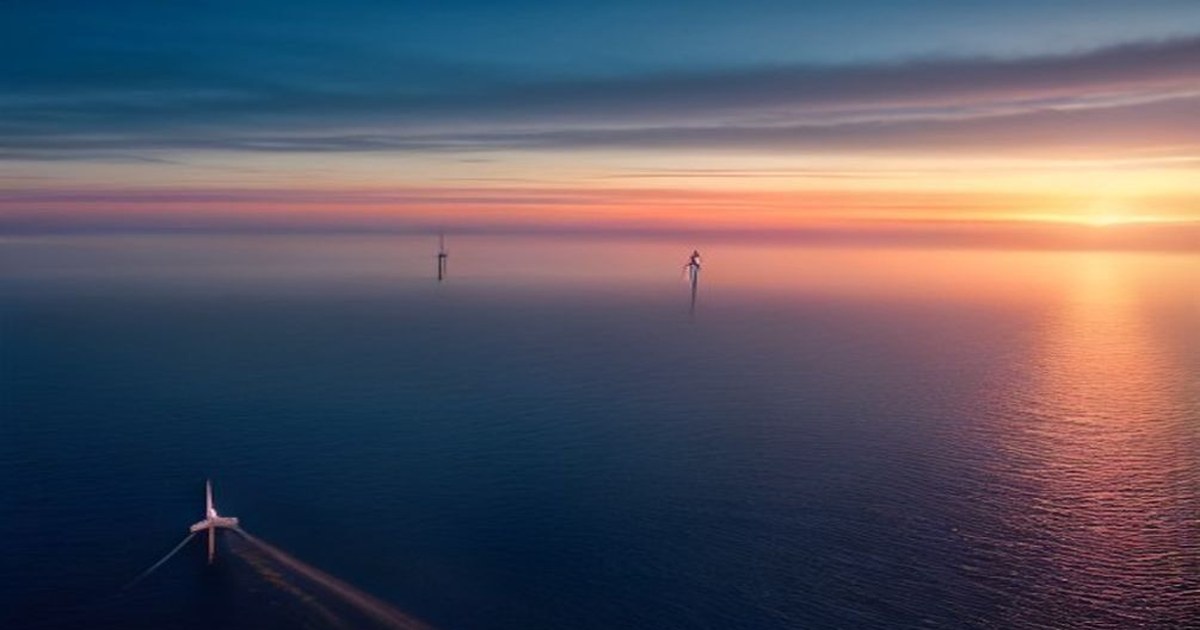
Cuối tuần 27-28/9/2026, ba nhóm tin tưởng như không liên quan cùng xuất hiện. Đất nền Hà Đông, Đông Anh, Hòa Lạc đồng loạt rao giảm 1-3 tỷ đồng mỗi lô. Vingroup hoàn tất bơm thêm 9.500 tỷ đồng tiền mặt vào khu công nghiệp Vinhomes Vũng Áng. Bộ Công Thương ngồi cùng Siemens Energy, Ngân hàng Tái thiết Đức (KfW) và quỹ Copenhagen Infrastructure Partners (CIP) bàn lộ trình 17 GW điện gió ngoài khơi.
Luận điểm: thị trường vốn năm 2026 đang phân loại tài sản theo đúng một tiêu chí: có chứng minh được dòng tiền hay không. Tài sản chỉ sống bằng kỳ vọng tăng giá (đất nền phân lô vùng ven) đang bị rút vốn. Tài sản có cầu thật, doanh thu thật, hợp đồng đủ chuẩn để ngân hàng cho vay đang hút vốn với quy mô chưa từng có. Ranh giới giữa hai nhóm này không nằm ở ngành, mà nằm ở khả năng chứng minh dòng tiền.
1. Đất nền vùng ven: khi kỳ vọng không còn đủ để giữ giá
Số liệu điều tra công bố ngày 27-28/9 cho thấy làn sóng hạ giá đã lan từ căn hộ sang đất nền:
- Hòa Lạc: giá phổ biến giảm từ 35 triệu đồng/m2 xuống 30 triệu đồng/m2, tức giảm 14,3% so với đỉnh. Một lô 151m2 gần Đại học Quốc gia rao giảm 1 tỷ đồng.
- Khu đô thị Nguyên Khê (Đông Anh): giá phổ biến giảm 11,2% chỉ trong một quý, từ 132,5 triệu đồng xuống 117,6 triệu đồng/m2. Có lô 80m2 cắt lỗ 1,5 tỷ đồng, chào 90 triệu đồng/m2, thấp hơn 23,5% giá bình quân dự án.
- Hà Đông: phường Phú Lương giảm 8,2% từ đỉnh (158 xuống 145 triệu đồng/m2); khu Ngô Thì Nhậm giảm 8,8% (250 xuống 228 triệu đồng/m2).
Mức giảm sâu nhất rơi đúng vào những nơi xa trung tâm nhất, ít khả năng khai thác cho thuê nhất. Đây không phải ngẫu nhiên. Trước định hướng siết phân lô bán nền và khả năng đánh thuế bất động sản thứ hai, một lô đất trống không tạo ra đồng nào trong lúc chờ đợi trở thành gánh nặng chi phí vốn. Dòng tiền đầu cơ đang rút về các sản phẩm nội đô có khả năng cho thuê.
Điểm đáng chú ý: cùng tuần đó, Hà Nội tái khởi động tuyến đường 50m nối Phạm Hùng - Lê Đức Thọ (518,9 tỷ đồng, bị đình trệ 9 năm, cam kết xong trước 30/11/2026). Hạ tầng vẫn đang được đầu tư, nhưng tập trung ở lõi đô thị đã có dân cư và hoạt động kinh tế thật, không phải ở các vùng đất nền chờ quy hoạch.
2. Khu công nghiệp tự bơm vốn: khi cầu thuê có sẵn từ ngày đầu
Ở chiều ngược lại, khu công nghiệp Vinhomes Vũng Áng (Hà Tĩnh) vừa nhận thêm 9.500 tỷ đồng tiền mặt:
- Quy mô 964,84 ha, tổng mức đầu tư hạ tầng 13.276 tỷ đồng, hoàn thành trước quý IV/2030.
- Vốn bổ sung tương đương 72% tổng mức đầu tư, gấp khoảng 4,8 lần vốn góp cam kết ban đầu (1.991 tỷ đồng).
- Định hướng: ô tô điện, pin xe điện, linh kiện cơ khí chính xác, logistics gắn cụm cảng nước sâu Sơn Dương - Vũng Áng (tiếp nhận tàu 300.000 tấn).
Mô hình khu công nghiệp truyền thống ở Việt Nam thường chỉ có 15-20% vốn tự có, phần còn lại vay ngân hàng, rồi mất 3-5 năm tìm khách thuê sau khi xây xong hạ tầng. Vũng Áng đảo ngược cả hai điều đó: vốn tự có trên 70% loại bỏ rủi ro lãi suất, còn hệ sinh thái VinFast (nhà máy pin, nhà cung ứng cấp 1, cấp 2) là "khách thuê mỏ neo" bảo đảm lấp đầy ngay từ giai đoạn đầu. Dám bơm tiền mặt quy mô này chỉ hợp lý khi dòng tiền cho thuê đã gần như chắc chắn.
Khu công nghiệp Hoàng Mai I (Nghệ An) minh họa cùng quy luật ở quy mô nhỏ hơn: tỷ lệ lấp đầy 85% nhờ các dự án đầu tư nước ngoài lớn trong chuỗi quang điện (Runergy 440 triệu USD, JuTeng 200 triệu USD). Có khách thuê thật, chủ đầu tư mới đủ cơ sở triển khai ngay Hoàng Mai II (334,79 ha, 1.900 tỷ đồng), dự kiến khởi công quý IV/2026.
Bài học cho ngành: câu hỏi "lấy vốn ở đâu" đang được thay bằng câu hỏi "ai là khách thuê đã cam kết". Dự án trả lời được câu thứ hai thì câu thứ nhất gần như tự giải quyết.
3. Điện gió 17 GW: vốn có sẵn, chỉ thiếu hợp đồng đủ chuẩn để vay
Mục tiêu 17 GW điện gió ngoài khơi vào năm 2035 cần khoảng 40-50 tỷ USD. Các định chế như KfW hay CIP không thiếu tiền. Hai nút thắt họ chỉ ra đều liên quan đến khả năng chứng minh dòng tiền:
- Quyền khảo sát và giao khu vực biển cho doanh nghiệp tư nhân và nước ngoài: chưa đo được gió thì chưa có cơ sở tính sản lượng.
- Hợp đồng mua bán điện (PPA) đủ chuẩn để thu xếp vốn vay, có điều khoản bảo lãnh khi chấm dứt hợp đồng rõ ràng: không có hợp đồng này, dòng tiền 20-25 năm của dự án không được ngân hàng công nhận.
Lợi thế của Việt Nam lại rất cụ thể: đường bờ biển hơn 3.260 km, tốc độ gió ngoài khơi 8-10 m/s, và năng lực chế tạo đã được kiểm chứng khi PTSC (Tổng công ty Dịch vụ Kỹ thuật Dầu khí) xuất khẩu chân đế tua-bin, trạm biến áp ngoài khơi sang Đài Loan, Ba Lan. Mỗi GW điện gió ngoài khơi cho khoảng 3,5-4 tỷ kWh điện sạch mỗi năm, đồng thời tạo nguồn chứng chỉ năng lượng tái tạo quốc tế (I-REC) mà các khu công nghiệp, nhà máy vốn nước ngoài và trung tâm dữ liệu cần để đạt cam kết 100% điện tái tạo (RE100).
Nói cách khác: vốn quốc tế đã sẵn sàng, tài nguyên đã có, năng lực chế tạo đã có. Thứ còn thiếu chỉ là khung pháp lý biến tiềm năng gió thành dòng tiền có thể thẩm định.
4. Mạch chung: "kiến trúc vốn" thay cho kỳ vọng tăng giá
Chuyên gia của Tổ chức Tài chính Quốc tế (IFC) và Savills nhận định dòng vốn khoảng 6 tỷ USD dự kiến vào chứng khoán nhờ nâng hạng thị trường sẽ không tự động chảy vào bất động sản. Nó chỉ mở cửa cho doanh nghiệp có cấu trúc vốn minh bạch: trái phiếu công bố thông tin đầy đủ, quỹ tín thác đầu tư bất động sản (REIT), đối tác chiến lược, và dự án tạo dòng tiền thực.
Đặt ba câu chuyện cạnh nhau, pattern rất rõ:
- Lô đất trống vùng ven không có dòng tiền: bị cắt lỗ.
- Khu công nghiệp có khách thuê mỏ neo: được bơm tiền mặt 72% tổng vốn.
- Điện gió có gió, có vốn, nhưng chưa có hợp đồng đủ chuẩn để vay: vẫn đứng ngoài cửa.
Giai đoạn "mua trước, chờ tăng giá" đang khép lại. Giai đoạn "chứng minh dòng tiền trước, vốn sẽ đến sau" đã bắt đầu.
Checklist hành động theo vai trò
Chủ đầu tư hạ tầng khu công nghiệp
- Lập danh sách khách thuê mỏ neo tiềm năng (nhà đầu tư chính và chuỗi cung ứng cấp 1, cấp 2 của họ) trước khi chốt phương án huy động vốn cho giai đoạn tiếp theo.
- Rà lại cơ cấu vốn: nếu tỷ lệ vốn tự có dưới 20%, chạy kịch bản lãi suất tăng 2-3 điểm phần trăm và thời gian lấp đầy kéo dài thêm 2 năm.
- Làm việc với đơn vị phát triển năng lượng tái tạo về phương án cung cấp chứng chỉ I-REC hoặc hợp đồng mua bán điện trực tiếp, đưa vào hồ sơ chào thuê cho khách hàng có cam kết RE100.
- Chuẩn bị bộ hồ sơ minh bạch (báo cáo tài chính kiểm toán, cấu trúc pháp lý dự án) để sẵn sàng tiếp cận quỹ REIT hoặc đối tác chiến lược khi dòng vốn nâng hạng vào thị trường.
Doanh nghiệp sản xuất đang tìm địa điểm đặt nhà máy
- Hỏi thẳng chủ đầu tư khu công nghiệp: tỷ lệ vốn tự có, nguồn vốn thi công hạ tầng, và mốc bàn giao đã được bảo đảm bằng hợp đồng nào.
- Ưu tiên khu có khách thuê mỏ neo cùng chuỗi ngành (xe điện, pin, quang điện) để giảm chi phí logistics đầu vào.
- Yêu cầu phương án cung cấp điện sạch có chứng chỉ (I-REC) bằng văn bản nếu khách hàng cuối ở châu Âu, Bắc Mỹ đòi hỏi báo cáo phát thải.
Nhà đầu tư bất động sản cá nhân
- Với mỗi lô đất nền đang nắm giữ, tính chi phí vốn thực tế mỗi năm (lãi vay hoặc chi phí cơ hội) và so với mức giảm 8-14% đã ghi nhận tại Hà Đông, Đông Anh, Hòa Lạc.
- Phân loại danh mục thành hai nhóm: tài sản tạo dòng tiền cho thuê và tài sản chỉ chờ tăng giá; đặt ngưỡng cắt lỗ rõ ràng cho nhóm thứ hai.
- Theo dõi các sản phẩm có dòng tiền khai thác (căn hộ cho thuê nội đô, chứng chỉ quỹ REIT khi xuất hiện) thay vì bắt đáy đất nền vùng ven.
Mốc thời gian cần theo dõi
- Quý IV/2026: Khởi công kỹ thuật khu công nghiệp Hoàng Mai II (Nghệ An, 334,79 ha), phép thử cho mô hình mở rộng dựa trên tỷ lệ lấp đầy 85% của giai đoạn I.
- Trước 30/11/2026: Hoàn thành tuyến đường 50m Phạm Hùng - Lê Đức Thọ (Hà Nội), tín hiệu về tốc độ đầu tư hạ tầng lõi đô thị so với vùng ven.
- Quý IV/2026 - 2027: Theo dõi ba tín hiệu: dòng vốn thực vào chứng khoán sau nâng hạng; việc ban hành cơ chế giao khu vực biển và mẫu hợp đồng mua bán điện đủ chuẩn vay vốn cho điện gió ngoài khơi; diễn biến giá đất nền vùng ven Hà Nội sau quý giảm mạnh.
- Trước quý IV/2030: Hoàn thành hạ tầng khu công nghiệp Vinhomes Vũng Áng, thước đo cho mô hình khu công nghiệp tự bơm vốn gắn khách thuê mỏ neo.
- 2035: Mục tiêu 17 GW điện gió ngoài khơi theo Quy hoạch điện VIII điều chỉnh.
Over the weekend of 27-28 September 2026, three seemingly unrelated sets of news appeared together. Land plots in Ha Dong, Dong Anh and Hoa Lac were simultaneously offered at VND 1-3 billion below previous asking prices. Vingroup completed a further VND 9,500 billion cash injection into the Vinhomes Vung Ang industrial park. Vietnam's Ministry of Industry and Trade sat down with Siemens Energy, the German development bank KfW and Copenhagen Infrastructure Partners (CIP) to discuss a roadmap for 17 GW of offshore wind.
The thesis: capital markets in 2026 are sorting assets by a single criterion: can they prove cash flow or not. Assets that live only on expected price appreciation (subdivided suburban land) are losing capital. Assets with real demand, real revenue and contracts that banks will lend against are attracting capital on an unprecedented scale. The dividing line between these two groups is not the sector; it is the ability to prove cash flow.
1. Suburban land: when expectations are no longer enough to hold prices
Survey data published on 27-28 September shows the wave of price cuts has spread from apartments to land plots:
- Hoa Lac: typical prices fell from VND 35 million/m2 to VND 30 million/m2, down 14.3% from the peak. A 151m2 plot near Vietnam National University was cut by VND 1 billion.
- Nguyen Khe urban area (Dong Anh): typical prices fell 11.2% in a single quarter, from VND 132.5 million to VND 117.6 million/m2. One 80m2 plot was sold at a VND 1.5 billion loss, offered at VND 90 million/m2, 23.5% below the project average.
- Ha Dong: Phu Luong ward fell 8.2% from the peak (VND 158 to 145 million/m2); the Ngo Thi Nham area fell 8.8% (VND 250 to 228 million/m2).
The steepest declines are exactly where locations are furthest from the centre and least suitable for rental use. This is no coincidence. With policy moving to restrict plot subdivision and a possible tax on second properties, an empty plot that generates nothing while waiting becomes a cost-of-capital burden. Speculative money is withdrawing towards inner-city products that can be rented out.
Notably, in the same week Hanoi restarted the 50m-wide road linking Pham Hung and Le Duc Tho (VND 518.9 billion, stalled for 9 years, committed for completion before 30 November 2026). Infrastructure is still being built, but it is concentrated in the urban core with real residents and economic activity, not in suburban land areas waiting for zoning.
2. Self-funded industrial parks: when tenant demand exists from day one
In the opposite direction, the Vinhomes Vung Ang industrial park (Ha Tinh) has just received an additional VND 9,500 billion in cash:
- Area of 964.84 ha, total infrastructure investment of VND 13,276 billion, completion before Q4/2030.
- The additional capital equals 72% of total investment, about 4.8 times the originally committed equity (VND 1,991 billion).
- Focus: electric vehicles, EV batteries, precision mechanical components, and logistics linked to the Son Duong - Vung Ang deep-water port cluster (handling 300,000-tonne vessels).
The traditional industrial park model in Vietnam typically has only 15-20% equity, with the rest borrowed from banks, followed by 3-5 years of searching for tenants after infrastructure is built. Vung Ang reverses both: equity of over 70% removes interest-rate risk, while the VinFast ecosystem (battery plants, tier-1 and tier-2 suppliers) acts as an "anchor tenant" that secures occupancy from the first phase. Injecting cash at this scale only makes sense when rental cash flow is close to certain.
The Hoang Mai I industrial park (Nghe An) illustrates the same rule on a smaller scale: 85% occupancy thanks to large foreign investments in the solar supply chain (Runergy USD 440 million, JuTeng USD 200 million). With real tenants in place, the developer has the basis to move straight to Hoang Mai II (334.79 ha, VND 1,900 billion), with groundbreaking expected in Q4/2026.
The lesson for the sector: the question "where does the capital come from" is being replaced by "who are the committed tenants". A project that can answer the second question will largely solve the first.
3. 17 GW of offshore wind: the capital is there, only bankable contracts are missing
The target of 17 GW of offshore wind by 2035 requires around USD 40-50 billion. Institutions such as KfW and CIP do not lack money. The two bottlenecks they point to both relate to proving cash flow:
- Survey rights and allocation of sea areas to private and foreign developers: without wind measurements, there is no basis for calculating output.
- A bankable power purchase agreement (PPA) with clear termination guarantees: without it, a project's 20-25 years of cash flow is not recognised by lenders.
Vietnam's advantages, however, are very concrete: more than 3,260 km of coastline, offshore wind speeds of 8-10 m/s, and proven manufacturing capability, as PTSC (PetroVietnam Technical Services Corporation) has exported turbine jackets and offshore substations to Taiwan and Poland. Each GW of offshore wind produces around 3.5-4 billion kWh of clean electricity per year, while generating International Renewable Energy Certificates (I-REC) that industrial parks, foreign-invested factories and data centres need to meet 100% renewable electricity commitments (RE100).
In other words: international capital is ready, the resource exists and the manufacturing capability exists. What is missing is only the legal framework that turns wind potential into cash flow that can be appraised.
4. The common thread: "capital architecture" instead of price expectations
Experts from the International Finance Corporation (IFC) and Savills note that the roughly USD 6 billion expected to flow into equities thanks to the market upgrade will not automatically flow into real estate. It only opens the door for companies with transparent capital structures: fully disclosed bonds, real estate investment trusts (REITs), strategic partners, and projects that generate real cash flow.
Put the three stories side by side and the pattern is clear:
- An empty suburban plot with no cash flow: sold at a loss.
- An industrial park with an anchor tenant: injected with cash equal to 72% of total investment.
- Offshore wind with wind and capital, but no bankable contract yet: still waiting outside.
The era of "buy first, wait for prices to rise" is closing. The era of "prove cash flow first, capital will follow" has begun.
Action checklist by role
Industrial park infrastructure developers
- Build a list of potential anchor tenants (the main investor and its tier-1 and tier-2 supply chain) before finalising the financing plan for the next phase.
- Review the capital structure: if equity is below 20%, run scenarios with interest rates 2-3 percentage points higher and occupancy delayed by 2 more years.
- Work with renewable energy developers on supplying I-REC certificates or direct power purchase agreements, and include this in leasing packages for tenants with RE100 commitments.
- Prepare a transparent document set (audited financial statements, project legal structure) ready to approach REITs or strategic partners as upgrade-driven capital enters the market.
Manufacturers looking for a factory location
- Ask industrial park developers directly: equity ratio, source of funding for infrastructure construction, and which contracts guarantee handover milestones.
- Prioritise parks with anchor tenants in the same value chain (EVs, batteries, solar) to reduce inbound logistics costs.
- Request a written plan for certified clean power (I-REC) if end customers in Europe or North America require emissions reporting.
Individual real estate investors
- For each land plot held, calculate the actual annual cost of capital (loan interest or opportunity cost) and compare it with the 8-14% declines recorded in Ha Dong, Dong Anh and Hoa Lac.
- Split the portfolio into two groups: assets that generate rental income and assets that only wait for price increases; set a clear stop-loss threshold for the second group.
- Track products with operating cash flow (inner-city rental apartments, REIT units when available) rather than trying to buy the bottom of suburban land.
Milestones to watch
- Q4/2026: Technical groundbreaking of Hoang Mai II industrial park (Nghe An, 334.79 ha), a test of expansion based on Phase I's 85% occupancy.
- Before 30 November 2026: Completion of the 50m Pham Hung - Le Duc Tho road (Hanoi), a signal of the pace of core urban infrastructure versus the suburbs.
- Q4/2026 - 2027: Watch three signals: actual capital inflows into equities after the upgrade; the issuance of sea-area allocation rules and a bankable PPA template for offshore wind; and suburban Hanoi land prices after a quarter of sharp declines.
- Before Q4/2030: Completion of Vinhomes Vung Ang industrial park infrastructure, a benchmark for the self-funded, anchor-tenant industrial park model.
- 2035: The 17 GW offshore wind target under the revised Power Development Plan VIII.