Tín Chỉ Carbon Rừng Và Bài Học Chia Sẻ Lợi Ích Cộng Đồng Cho Phát Triển Bất Động Sản, Khu Công NghiệpForest Carbon Credits and the Benefit-Sharing Lesson for Real Estate and Industrial Park Development
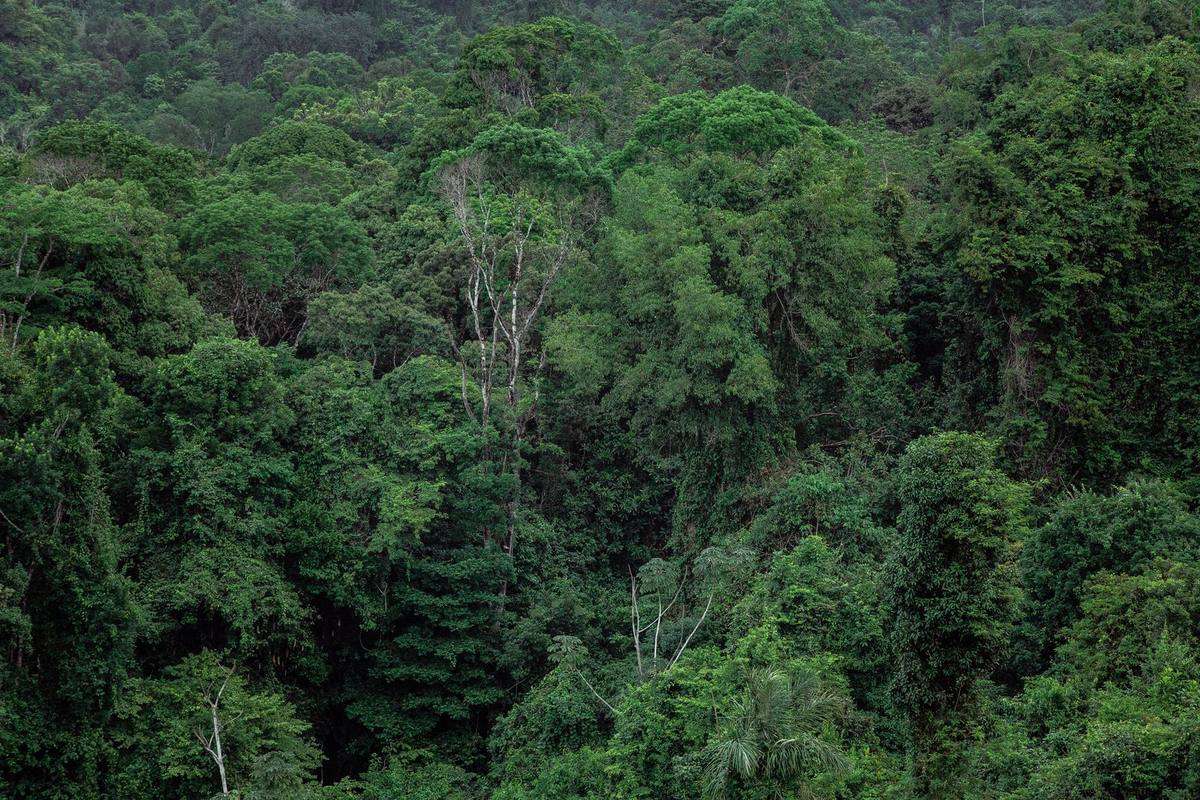
Thông tin về các dự án bảo vệ rừng thu hàng trăm triệu USD từ bán tín chỉ carbon đang xuất hiện ngày càng dày đặc, kèm theo con số đầy tính nhân văn: "20% doanh thu chuyển trực tiếp cho người dân bản địa". Nhiều người vội vàng gọi đây là đỉnh cao của Trách nhiệm Xã hội Doanh nghiệp (CSR).
Nhưng trong thế giới tài chính khí hậu — nơi các tập đoàn toàn cầu chi hàng chục triệu USD để mua tín chỉ — mọi con số đều được tính toán sòng phẳng. Tỷ lệ 20% chia sẻ doanh thu không phải một khoản từ thiện. Về bản chất, đây là hợp đồng bảo hiểm rủi ro rẻ nhất và sống còn nhất của dự án.
1. Hai "Tử Huyệt" Khiến Một Dự Án Rừng Bị Đánh Trượt Tín Chỉ
Trên thị trường tín chỉ carbon rừng — đặc biệt các chuẩn VCS/Verra hay ART TREES — hai rủi ro lớn nhất khiến dự án bị hủy bỏ tín chỉ là:
- Tính rò rỉ (Leakage): Cấm người dân chặt cây ở khu rừng này, vì áp lực mưu sinh họ sẽ sang khu rừng bên cạnh để đốn củi. Tổng lượng phát thải không đổi, dự án vô nghĩa.
- Tính vĩnh viễn (Permanence): Nếu người dân bản địa không thấy lợi ích từ việc giữ rừng, nguy cơ cháy rừng do đốt nương làm rẫy hoặc lâm tặc luôn chực chờ. Chỉ một mồi lửa, bể chứa carbon hàng chục năm biến mất, chứng chỉ bị thu hồi.
2. Giải Mã Cơ Chế 20%: Biến Cộng Đồng Thành "Cổ Đông"
Khi chuyển trực tiếp 20% (hoặc cao hơn) doanh thu cho người dân bản địa, chủ đầu tư đang vận hành Cơ chế Chia sẻ Lợi ích (Benefit Sharing Mechanism – BSM).
Dòng tiền này tạo sinh kế mới, giải quyết tận gốc nguyên nhân phá rừng mưu sinh — triệt tiêu rủi ro rò rỉ. Đồng thời, nó biến hàng ngàn người dân địa phương thành một mạng lưới bảo vệ tài sản: họ là người đầu tiên dập lửa khi có sự cố, là lực lượng ngăn chặn lâm tặc hiệu quả hơn bất kỳ đội kiểm lâm nào — đảm bảo tính vĩnh viễn.
Bỏ ra 20% để bảo vệ 80% tài sản lõi — đây là bài toán quản trị rủi ro xuất sắc, không phải lòng tốt.
3. "Green Premium" Từ Câu Chuyện Đồng Lợi Ích
Một tấn carbon chỉ đơn thuần giảm phát thải CO2 có giá thị trường khá rẻ. Nhưng nếu tấn carbon đó đi kèm câu chuyện bảo vệ đa dạng sinh học và nâng cao sinh kế người dân bản địa (Co-benefits), nó được xếp vào phân khúc cao cấp.
Các tập đoàn lớn sẵn sàng trả giá gấp đôi, gấp ba cho tín chỉ có tác động xã hội mạnh mẽ. Nói cách khác, khoản tiền chia sẻ cho cộng đồng không làm giảm biên lợi nhuận — nó là chất xúc tác nâng giá trị bán ra của tài sản.
4. Áp Dụng Vào Phát Triển Bất Động Sản Và Khu Công Nghiệp
Bài học từ tín chỉ carbon rừng hoàn toàn có thể chiếu vào tư duy phát triển các siêu dự án Bất động sản hay Khu công nghiệp. Khi quy hoạch một dự án lớn, việc dành nguồn lực kiến tạo không gian sống, tạo sinh kế, hay chia sẻ giá trị hạ tầng (công viên, y tế, giáo dục) cho cộng đồng xung quanh không phải là sự lãng phí.
Chia sẻ lợi ích biến cộng đồng từ "người bị ảnh hưởng" thành "cổ đông sinh thái" của dự án — vừa là gốc rễ của phát triển bền vững, vừa là lá chắn bảo vệ dự án khỏi xung đột xã hội, đồng thời là bộ hồ sơ ESG hoàn hảo nhất để thu hút dòng vốn đầu tư quốc tế.
3 phương án chia sẻ lợi ích cộng đồng cho dự án BĐS / KCN
| Phương án | Mục tiêu | Cách triển khai | Kết quả kỳ vọng | Ưu điểm | Nhược điểm / Điều kiện áp dụng |
|---|---|---|---|---|---|
| A. Quỹ chia sẻ doanh thu cố định | Tạo cam kết dài hạn, minh bạch với cộng đồng | Trích tỷ lệ % cố định từ doanh thu vận hành (dịch vụ, cho thuê) vào quỹ phát triển cộng đồng địa phương | Giảm xung đột đất đai, tăng thiện cảm chính quyền địa phương | Minh bạch, dễ truyền thông ESG, tạo niềm tin dài hạn | Ảnh hưởng trực tiếp đến biên lợi nhuận, cần cơ chế giám sát sử dụng quỹ |
| B. Đầu tư hạ tầng đồng lợi ích | Nâng chất lượng sống khu vực, tạo Green Premium cho dự án | Xây công viên, trường học, trạm y tế dùng chung giữa dự án và cộng đồng lân cận | Tăng định giá tài sản, thuận lợi khi xin phê duyệt mở rộng | Tác động hữu hình, dễ đo lường, hỗ trợ hồ sơ ESG | Vốn đầu tư ban đầu lớn, thời gian thấy hiệu quả truyền thông chậm hơn phương án A |
| C. Mô hình sinh kế thay thế | Giải quyết gốc rễ xung đột lợi ích với cộng đồng phụ thuộc tài nguyên đất/rừng | Đào tạo nghề, hỗ trợ việc làm tại dự án cho lao động địa phương bị ảnh hưởng | Giảm rủi ro "rò rỉ" xung đột, xây mạng lưới bảo vệ tài sản tự nhiên | Bền vững nhất về mặt xã hội, tạo lực lượng bảo vệ dự án tại chỗ | Cần thời gian triển khai dài, phụ thuộc năng lực đào tạo và hấp thụ lao động của dự án |
Stories about forest conservation projects earning hundreds of millions of dollars from carbon credit sales are becoming more common, often paired with a feel-good figure: "20% of revenue goes directly to local communities." Many are quick to call this the pinnacle of Corporate Social Responsibility (CSR).
But in the world of climate finance — where global corporations spend tens of millions of dollars purchasing credits — every number is calculated with cold precision. The 20% revenue-sharing ratio is not a charitable gesture. In essence, it is the cheapest and most critical risk-insurance contract a project can have.
1. The Two "Fatal Flaws" That Get Forest Projects Disqualified
In the forest carbon credit market — particularly under standards like VCS/Verra or ART TREES — the two biggest risks that can get a project's credits invalidated are:
- Leakage: Banning residents from cutting trees in one forest simply pushes them, under economic pressure, to log the neighboring forest instead. Total emissions stay the same, and the project accomplishes nothing.
- Permanence: If local communities see no benefit from preserving the forest, the risk of fires from slash-and-burn farming or illegal logging is ever-present. A single spark can wipe out decades of stored carbon, triggering credit revocation.
2. Decoding the 20% Mechanism: Turning Communities into "Shareholders"
By channeling 20% (or more) of revenue directly to local communities, project developers are running what's known as a Benefit Sharing Mechanism (BSM).
This cash flow creates new livelihoods, addressing the root cause of subsistence-driven deforestation — eliminating leakage risk at its source. At the same time, it transforms thousands of local residents into a de facto asset-protection network: they are the first responders when fires break out, and a far more effective deterrent against illegal logging than any forest ranger unit — securing permanence.
Spending 20% to protect the other 80% of the core asset is a masterclass in risk management, not an act of generosity.
3. The "Green Premium" Born from a Shared-Benefit Story
A single ton of carbon that merely represents CO2 emissions reduction commands a relatively low market price. But when that same ton comes attached to a story of biodiversity protection and improved livelihoods for local communities (co-benefits), it moves into a premium tier.
Major corporations are willing to pay two or three times more for credits with strong social impact. In other words, the money shared with communities does not erode profit margins — it acts as a catalyst that raises the asset's resale value.
4. Applying This to Real Estate and Industrial Park Development
The lesson from forest carbon credits maps directly onto how large-scale real estate and industrial park projects should be conceived. When planning a major development, allocating resources to build living spaces, create livelihoods, or share infrastructure value (parks, healthcare, education) with surrounding communities is not a waste of capital.
Benefit-sharing turns communities from "affected parties" into "ecological shareholders" in the project — serving simultaneously as the foundation of sustainable development, a shield against social conflict, and the most compelling ESG credential for attracting international investment capital.
Three Community Benefit-Sharing Models for Real Estate / Industrial Park Projects
| Model | Objective | Implementation | Expected Outcome | Advantages | Disadvantages / Conditions for Application |
|---|---|---|---|---|---|
| A. Fixed Revenue-Sharing Fund | Build long-term, transparent commitment with the community | Allocate a fixed percentage of operating revenue (services, leasing) into a local community development fund | Reduced land conflicts, stronger goodwill from local authorities | Transparent, easy to communicate for ESG purposes, builds long-term trust | Directly affects profit margin; requires a fund-oversight mechanism |
| B. Shared-Benefit Infrastructure Investment | Raise quality of life in the surrounding area and create a Green Premium for the project | Build parks, schools, and health clinics shared between the project and neighboring communities | Higher asset valuation, smoother approval for future expansion | Tangible, measurable impact; strengthens ESG documentation | Requires large upfront capital; communication benefits materialize more slowly than Model A |
| C. Alternative Livelihoods Model | Address the root cause of conflict with communities dependent on land/forest resources | Vocational training and job placement within the project for affected local workers | Reduced "leakage" conflict risk; builds a local network protecting natural assets | Most socially sustainable; creates an on-the-ground protection force for the project | Requires a long implementation timeline; depends on the project's training capacity and labor absorption |