Thị trường carbon từ CDM 2008 tới Diễn đàn 2026: cú rẽ nhánh của năng lượng tái tạo trong BĐS công nghiệpCarbon Markets from CDM 2008 to the 2026 Forum: The Fork in the Road for Renewable Energy in Industrial Real Estate
Lùi lại giai đoạn 2008-2012, khi Cơ chế phát triển sạch (CDM) theo Nghị định thư Kyoto đang ở thời hoàng kim, ai từng trực tiếp làm hồ sơ dự án sẽ hiểu sự khắc nghiệt của ba chữ "Tính bổ sung" (Additionality).
Hồi đó, để những dự án như Thủy điện Sông Côn 2, Thủy điện Eatul 4, Đa Dâng - Đachomo hay Chiềng Ngàm Thượng qua được "ải" của UNFCCC, chúng tôi phải dựng đi dựng lại mô hình tài chính, chứng minh bằng được một điều: nếu không có dòng tiền từ bán Chứng chỉ giảm phát thải (CERs), các dự án năng lượng tái tạo này sẽ đối mặt rủi ro tài chính quá lớn, hoặc rào cản công nghệ khiến không ai dám rót vốn. Tính bổ sung khi ấy là chìa khóa sinh tử — thiếu nó, hồ sơ coi như bỏ.
Tại Diễn đàn Carbon Việt Nam 2026 vừa rồi, "Tính bổ sung" lại được nhắc tới như một chốt chặn pháp lý cốt lõi. Nhưng vị thế của năng lượng tái tạo giờ đã khác hẳn 15 năm trước, và tư duy phát triển bất động sản công nghiệp (BĐSCN) buộc phải rẽ sang hướng khác.
1. "Cái bẫy" Tính bổ sung và sự phân hóa trên sàn giao dịch 2026
Tại Diễn đàn 2026, cơ quan quản lý đã chia sẻ rất rõ ràng: không phải cứ giảm phát thải là tự động có tín chỉ carbon. Sàn HNX hiện chỉ tập trung vào Hạn ngạch (VN2025) và một số rất ít tín chỉ hợp lệ theo các cơ chế khắt khe (Điều 6.2, Điều 6.4).
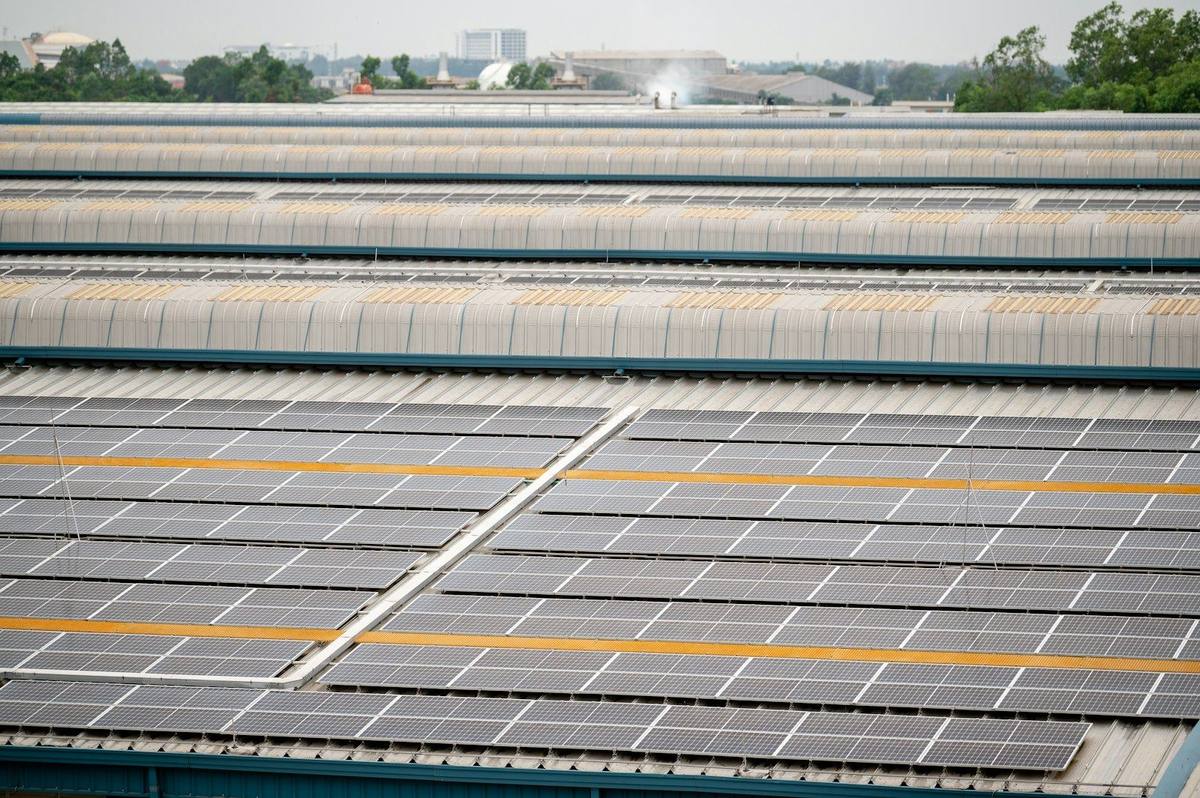
Hệ quả trực tiếp: các dự án điện mặt trời mái nhà hay điện gió nội khu tại khu công nghiệp (KCN) gần như chắc chắn trượt tiêu chí bổ sung tài chính. Lý do rất thực dụng — suất đầu tư năng lượng tái tạo giờ đã rẻ hơn nhiều, đạt mức ngang giá lưới (grid parity). Bản thân hệ thống rooftop solar đã mang lại hiệu quả kinh tế rõ ràng từ việc tiết kiệm tiền điện cho nhà máy, nên không còn lý do gì để nói dự án "cần" tín chỉ carbon mới khả thi.
Nếu chủ đầu tư vẫn cố chạy theo các tiêu chuẩn tự nguyện quốc tế (Verra, Gold Standard), họ sẽ vướng vào một bài toán kém hiệu quả: chi phí tư vấn, thiết lập hệ thống đo đạc - báo cáo - thẩm định (MRV) bào mòn phần lớn lợi nhuận, trong khi đầu ra trên sàn nội địa chưa được chấp thuận tự động, còn giá trên thị trường tự nguyện thì lên xuống thất thường.
2. Bước ngoặt: nhìn lại năng lượng tái tạo dưới góc độ "Green Premium"
Thay vì coi hệ thống năng lượng tái tạo nội khu là một "máy in tín chỉ carbon", nhà phát triển BĐSCN nên nhìn nó như một công cụ R&D sản phẩm: tạo ra phụ phí xanh (Green Premium).
Khách thuê FDI hiện nay đang bị ép từ hai phía cùng lúc — sàn giao dịch ETS nội địa (nếu thuộc diện cơ sở phát thải lớn) và cơ chế thuế biên giới carbon CBAM của châu Âu. Họ cần năng lượng xanh không phải để đem bán, mà để bảo vệ chuỗi cung ứng của chính mình.
Khi KCN chủ động cung cấp năng lượng tái tạo tại chỗ, đó chính là cách giúp khách thuê cắt giảm phát thải Phạm vi 2 (Scope 2) — và đây mới là yếu tố thực sự kéo được dòng vốn FDI chất lượng cao, chứ không phải vài đồng từ bán tín chỉ carbon. Khách thuê sẵn sàng trả giá thuê đất, hạ tầng cao hơn và gắn bó dài hạn hơn với một KCN giải quyết được bài toán Scope 2 cho họ. Tỷ lệ lấp đầy nhanh và giá trị tài sản tăng theo đó mới là khoản lợi nhuận thật sự lớn.
3. Ba phạm vi phát thải, ba công cụ khác nhau
Để hiện thực hóa Green Premium, chủ đầu tư KCN không thể chỉ dựa vào vài tấm pin mặt trời, mà cần phân biệt rõ công cụ nào dùng cho phạm vi phát thải nào:
Với Phạm vi 2 (Scope 2): dùng hệ thống điện mặt trời mái nhà để lấy Chứng chỉ Năng lượng Tái tạo Quốc tế (I-REC), thay vì tín chỉ carbon. Quy trình cấp I-REC minh bạch hơn, chi phí thấp hơn, và giải quyết đúng yêu cầu "xóa" dấu chân carbon từ điện năng tiêu thụ cho khách thuê.
Xử lý Phát thải Phạm vi 1 & 3 — xây dựng hạ tầng KCN theo chuẩn quốc tế
Không dừng lại ở từng tòa nhà xưởng đơn lẻ, toàn bộ hạ tầng KCN cần một bộ tiêu chuẩn quy hoạch riêng, gồm:
Mô hình Khu Công nghiệp Sinh thái (EIP — Eco-Industrial Park): theo khung tiêu chuẩn do IFC/UNIDO và World Bank phát triển, trọng tâm là "cộng sinh công nghiệp" (industrial symbiosis) — chất thải hoặc nhiệt thừa của nhà máy này trở thành đầu vào của nhà máy khác, chia sẻ tối đa tài nguyên nước và năng lượng.
Tiêu chuẩn LOTUS IP (Hội đồng Công trình Xanh Việt Nam — VGBC): bộ công cụ thiết kế riêng cho hạ tầng công nghiệp tại Việt Nam, tối ưu từ khâu quy hoạch không gian, quản lý nước mưa, đến bảo tồn hệ sinh thái tự nhiên trong khu vực dự án.
EDGE & LEED (USGBC): áp dụng chứng chỉ EDGE cho các công trình xưởng xây sẵn (ready-built factory) để tối ưu vật liệu, năng lượng và nước; đồng thời hướng tới LEED for Cities and Communities để chuẩn hóa vận hành cho toàn khu.
Hệ thống ISO nền tảng: áp dụng ISO 50001 (quản lý năng lượng) và hạch toán khí nhà kính (GHG Accounting) để kiểm đếm minh bạch dấu chân carbon cho từng lô đất.
Tín chỉ carbon thật sự chỉ nên dồn lực vào đâu? Chủ đầu tư chỉ nên làm hồ sơ tín chỉ carbon cho những hạng mục có tính bổ sung rõ ràng — nhà máy xử lý rác phát điện (waste-to-energy), hệ thống thu hồi khí biogas, hoặc quỹ đất quy hoạch trồng rừng nội khu tạo bể hấp thụ carbon. Ngoài những trường hợp đó, đừng cố nhét hồ sơ vào chỗ không hợp lý.
Kết luận: bán "hạ tầng xanh", không bán giấy tờ
Chuyển đổi xanh không còn là câu chuyện đối phó chính sách. Thông điệp "Từ chính sách đến hành động" của năm 2026 đòi hỏi các nhà phát triển BĐSCN đưa các tiêu chuẩn như EIP, LOTUS IP hay EDGE vào tận lõi thiết kế hạ tầng, tạo ra một hệ sinh thái tuần hoàn thực thụ — không phải một lớp sơn xanh phủ ngoài.
Giá trị lớn nhất của carbon không nằm ở tờ chứng chỉ chờ khớp lệnh trên sàn HNX. Nó nằm ở vị thế cạnh tranh vượt trội và khả năng định giá lại toàn bộ khối tài sản bất động sản công nghiệp trên bản đồ thu hút vốn toàn cầu.
Back in 2008-2012, when the Clean Development Mechanism (CDM) under the Kyoto Protocol was at its peak, anyone who worked hands-on preparing project documentation knows how unforgiving the three words "Additionality" could be.
At the time, to get projects like Song Con 2 Hydropower, Eatul 4 Hydropower, Da Dang - Dachomo, or Chieng Ngam Thuong past the UNFCCC's gatekeeping, we had to rebuild financial models over and over, proving one single point beyond doubt: without the revenue stream from selling Certified Emission Reductions (CERs), these renewable energy projects would face financial risk too great, or technology barriers too steep, for anyone to commit capital. Additionality back then was a matter of survival — without it, the application was dead on arrival.
At the recent 2026 Vietnam Carbon Forum, "Additionality" resurfaced as a core legal checkpoint. But renewable energy's standing today is nothing like it was 15 years ago, and industrial real estate developers now have to steer their thinking in a different direction.
1. The Additionality Trap and the Market Split of 2026
At the 2026 Forum, regulators were unambiguous: reducing emissions does not automatically entitle a project to carbon credits. The HNX exchange currently focuses on Allowances (VN2025) and a small, tightly regulated set of eligible credits under Article 6.2 and Article 6.4 mechanisms.
The direct consequence: rooftop solar or on-site wind projects at industrial parks (IPs) almost certainly fail the financial additionality test. The reasoning is purely practical — renewable energy investment costs have dropped so much that they now sit at grid parity. Rooftop solar systems already deliver a clear economic return through electricity savings for factories, so there's no longer a case to be made that these projects "need" carbon credits to be viable.
If investors still push ahead chasing voluntary international standards (Verra, Gold Standard), they run into an inefficient trap: consulting fees and the cost of setting up Measurement, Reporting and Verification (MRV) systems eat into most of the margin, while the domestic exchange doesn't automatically recognize the output, and voluntary market prices swing unpredictably.
2. The Turning Point: Reframing Renewable Energy as a "Green Premium"
Rather than treating on-site renewable energy systems as a "carbon credit printing press," industrial real estate developers should see them as a product R&D tool — one that generates a Green Premium.
FDI tenants today are being squeezed from two directions at once: the domestic ETS exchange (for those classified as major emission sources) and Europe's Carbon Border Adjustment Mechanism (CBAM). They need green energy not to sell it, but to protect their own supply chains.
When an industrial park proactively supplies on-site renewable energy, that's precisely what helps tenants cut their Scope 2 emissions — and this is the real lever that draws in high-quality FDI capital, not the marginal proceeds from selling carbon credits. Tenants are willing to pay higher land and infrastructure lease rates, and commit for longer, to an industrial park that solves their Scope 2 problem for them. Faster occupancy and rising asset value are where the real, substantial returns lie.
3. Three Emission Scopes, Three Different Tools
To turn the Green Premium into reality, industrial park developers can't rely on a handful of solar panels alone — they need to clearly match the right tool to the right emission scope:
For Scope 2: use rooftop solar systems to secure International Renewable Energy Certificates (I-RECs) rather than carbon credits. The I-REC issuance process is more transparent, lower cost, and directly addresses tenants' need to "erase" the carbon footprint of the electricity they consume.
Addressing Scope 1 & 3 Emissions — Building Industrial Park Infrastructure to International Standards
Beyond individual factory buildings, the entire industrial park infrastructure needs its own planning framework, including:
The Eco-Industrial Park (EIP) model: built on the standards framework developed by IFC/UNIDO and the World Bank, centered on "industrial symbiosis" — where one factory's waste or excess heat becomes another's input, maximizing shared use of water and energy resources.
The LOTUS IP standard (Vietnam Green Building Council — VGBC): a design toolkit tailored for industrial infrastructure in Vietnam, optimizing everything from spatial planning and stormwater management to preserving the natural ecosystem within the project area.
EDGE & LEED (USGBC): applying the EDGE certification to ready-built factories to optimize materials, energy, and water use, while working toward LEED for Cities and Communities to standardize operations across the entire park.
Foundational ISO systems: applying ISO 50001 (energy management) and GHG Accounting to transparently track the carbon footprint of each land plot.
Where should genuine carbon credit efforts actually be focused? Developers should only pursue carbon credit documentation for components with clear additionality — waste-to-energy plants, biogas recovery systems, or land reserved for on-site forestry that creates a carbon sink. Outside of these cases, don't force an application where it doesn't belong.
Conclusion: Sell "Green Infrastructure," Not Paperwork
Green transformation is no longer just a matter of policy compliance. The 2026 message "From Policy to Action" demands that industrial real estate developers embed standards like EIP, LOTUS IP, and EDGE into the very core of infrastructure design, creating a genuine circular ecosystem — not a green coat of paint on the surface.
The greatest value of carbon doesn't lie in a certificate waiting to be matched on the HNX exchange. It lies in a decisively stronger competitive position and the ability to re-rate the entire industrial real estate portfolio on the global map of capital attraction.