Cơn Khát Điện Của AI Đang Buộc Khu Công Nghiệp Việt Nam Phải Xanh Hóa Thần TốcAI's Power Hunger Is Forcing Vietnam's Industrial Parks to Go Green — Fast
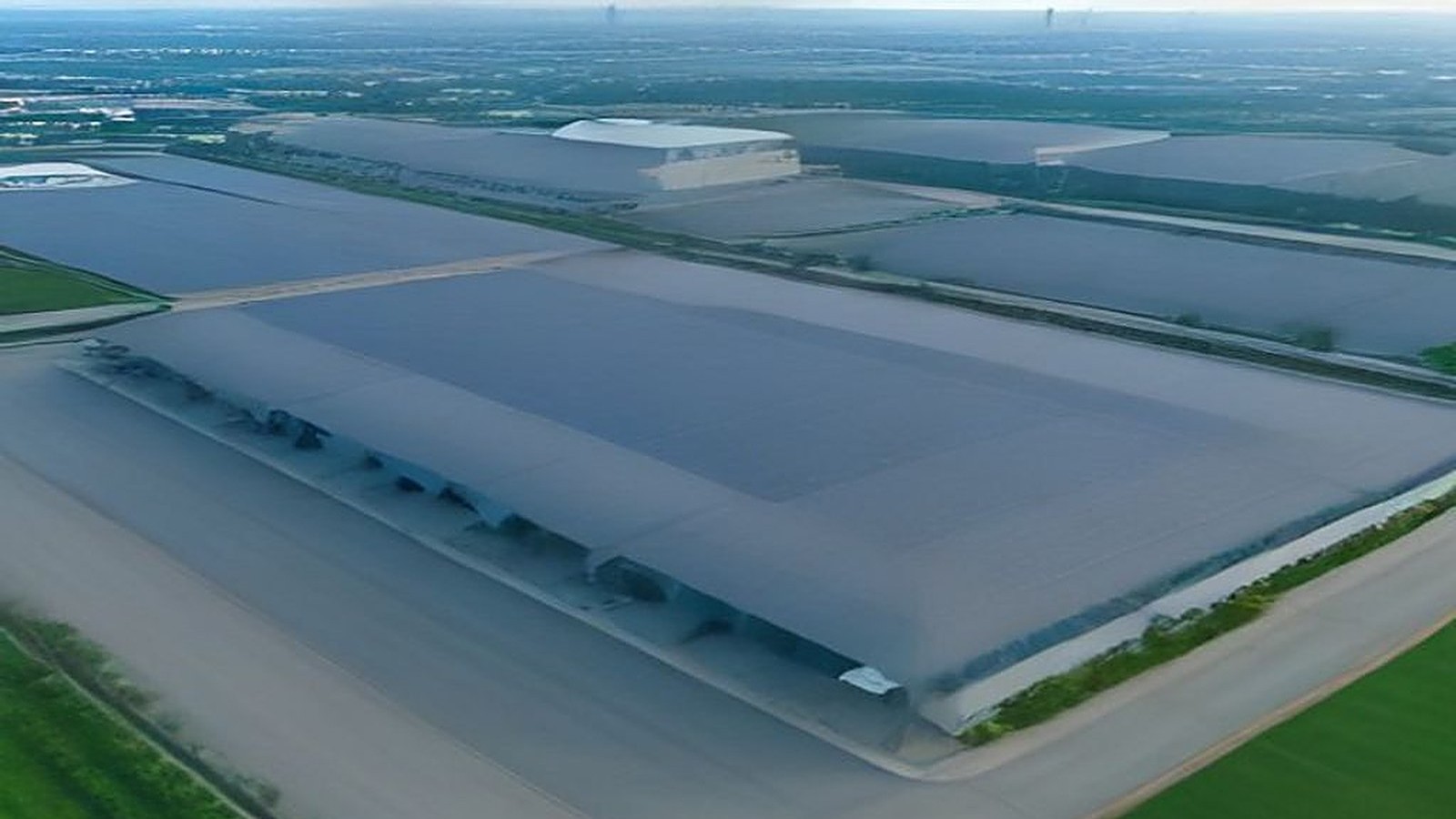
Nếu bạn đang cầm tiền đi tìm quỹ đất KCN, hoặc đang ngồi ghế phát triển hạ tầng khu công nghiệp, tuần này có 4 tin tưởng như không liên quan nhưng gộp lại thành một cảnh báo duy nhất: ai không có sẵn hạ tầng xanh trong 12 tháng tới sẽ mất suất vào tay nhóm khách thuê trả giá cao nhất thị trường.
Tôi đã thấy mô hình này lặp lại nhiều lần trong ngành năng lượng và BĐS công nghiệp: khi một nhóm khách thuê mới xuất hiện với yêu cầu kỹ thuật cao hơn hẳn mặt bằng chung, thị trường chia làm hai phe rất nhanh — bên đã chuẩn bị trước thì hốt trọn hợp đồng dài hạn, bên chờ "có khách rồi tính" thì vĩnh viễn chỉ đón được nhóm khách trả giá thấp còn lại. Đây là bài phân tích để bạn không rơi vào nhóm thứ hai.
Chuyện gì đang thực sự xảy ra
Ngày 20/9/2026, Bắc Ninh trở thành thành phố trực thuộc Trung ương, khởi công cùng lúc 4 khu công nghiệp — Quế Võ III Phân khu 2, Thuận Thành III Phân khu C, Nghĩa Hưng, Việt Hàn mở rộng — gần 701 ha, hơn 8.200 tỷ đồng vốn hạ tầng, nằm trong chuỗi dự án công nghiệp - đô thị vượt 50.000 tỷ đồng (Báo Người Quan Sát, Tạp chí Tài chính Doanh nghiệp, 20-21/9/2026). Bắc Ninh đã hút 17,69 tỷ USD FDI quy đổi trong 8 tháng.
Điểm mấu chốt không phải con số, mà là ngành nghề: Quế Võ III nhắm thẳng bán dẫn và cơ khí chính xác; Hà Nội vừa công bố 9 nhóm công nghệ chiến lược (chip, AI, robot, tự động hóa) làm tiêu chuẩn nhận FDI cho các KCN vệ tinh (Báo Nhân Dân, 21/9/2026). Nhóm khách thuê này tiêu thụ điện gấp nhiều lần nhà máy dệt may hay lắp ráp truyền thống, và không chấp nhận cúp điện dù chỉ vài phút.
Cùng lúc đó, VSIP Huế (467,2 ha, 3.075 tỷ đồng) đang chạy nước rút giải phóng mặt bằng để bàn giao đợt 1 trước 31/12/2026 — không phải làm KCN thường rồi tính xanh sau, mà thiết kế thẳng thành khu công nghiệp xanh, thông minh ngay từ đầu (Tạp chí Thương hiệu & Công luận, 21/9/2026). Và ở tầm vĩ mô, giới chuyên gia năng lượng vừa đề xuất tái khởi động điện hạt nhân mô-đun nhỏ (SMR) sau 2030, lý do nêu thẳng là "nhu cầu điện tăng vọt từ các cụm công nghệ cao và trung tâm dữ liệu AI" (Tạp chí Năng lượng Sạch Việt Nam, 21/9/2026).
Bốn mảnh ghép này khớp vào nhau: làn sóng bán dẫn/AI cần điện sạch và ổn định tuyệt đối → Việt Nam phải tăng tốc điện nền (LNG, CCUS, SMR) → nhà đầu tư công nghệ cao chỉ chọn KCN chứng minh được hạ tầng xanh và dữ liệu phát thải minh bạch.
Vì sao "xanh" giờ là điều kiện cứng, không còn là điểm cộng
Có hai lực ép cùng lúc, và cả hai đều đã có hiệu lực ngay hôm nay, không phải viễn cảnh tương lai:
Lực ép thứ nhất — tốc độ cấp phép. Nghị định 96/2026/NĐ-CP mở cơ chế "thủ tục đầu tư đặc biệt", rút thời gian chuẩn bị dự án công nghệ chiến lược từ 12-18 tháng xuống 3-6 tháng, chuyển từ tiền kiểm sang hậu kiểm (Báo Nhân Dân điện tử, 21/9/2026). Nghe có vẻ là tin vui cho tất cả, nhưng thực chất chỉ có lợi cho ai đã sẵn hạ tầng đạt chuẩn — vì cơ chế hậu kiểm buộc chủ đầu tư phải tự cam kết và tự chịu trách nhiệm ngay từ đầu, không có thời gian vừa làm vừa hoàn thiện như trước.
Lực ép thứ hai — dữ liệu phát thải. Tại chuỗi tọa đàm The Green IZ Tour 2026 (VCCI tổ chức), chuyên gia cảnh báo khi CBAM (cơ chế điều chỉnh biên giới carbon của EU) thực thi đầy đủ, nhà nhập khẩu EU đã yêu cầu doanh nghiệp xuất khẩu Việt Nam (thép, nhôm, xi măng, phân bón) khai báo phát thải hàm chứa cả ở khâu logistics (VnEconomy, CafeF, 21/9/2026). Một KCN không đo đạc và công bố được số liệu phát thải sẽ tự động bị loại khỏi danh sách xem xét của khách thuê xuất khẩu sang EU — không cần đợi bị phạt, chỉ cần không đủ dữ liệu để khách chứng minh với hải quan EU là đã mất cơ hội.
Checklist thực chiến theo từng vai trò
Nếu bạn là chủ đầu tư hạ tầng KCN:
- Đừng chờ có khách hỏi mới lắp điện mặt trời mái nhà hay hệ thống xử lý nước tuần hoàn — làm trước, vì thời gian cấp phép nhanh (3-6 tháng theo NĐ 96/2026) chỉ có ý nghĩa nếu hạ tầng của bạn đã sẵn sàng để "hậu kiểm" đạt ngay từ lần đầu.
- Xây dựng ngay hệ thống đo đạc, ghi nhận phát thải (MRV — đo lường, báo cáo, thẩm định) ở cấp KCN, không đợi từng nhà máy tự làm riêng lẻ — đây là thứ khách thuê xuất khẩu sẽ hỏi đầu tiên khi đàm phán hợp đồng thuê dài hạn.
- Ưu tiên đàm phán hợp đồng cấp điện có yếu tố năng lượng tái tạo hoặc cam kết công suất ổn định — đây là câu hỏi đầu tiên của bất kỳ nhà đầu tư bán dẫn/AI nào trước khi xuống tiền, quan trọng hơn cả giá thuê đất.
Nếu bạn là doanh nghiệp sản xuất đang tìm địa điểm:
- Đừng chỉ so giá thuê đất giữa các KCN — hỏi thẳng KCN có hệ thống MRV phát thải cấp khu chưa, vì nếu bạn xuất khẩu sang EU, đây là chi phí ẩn sẽ lộ ra sau khi đã ký hợp đồng thuê 20-30 năm.
- Với ngành tiêu thụ điện lớn, yêu cầu cam kết bằng văn bản về độ tin cậy cấp điện (SLA điện) từ chủ đầu tư hạ tầng, không chỉ dựa vào lời hứa miệng "khu vực này ổn định".
Nếu bạn là nhà đầu tư BĐS công nghiệp (mua để cho thuê lại):
- Vốn đã được khơi thông (3.407/4.685 dự án vướng mắc đã xử lý, hơn 2,5 triệu tỷ đồng theo báo cáo Bộ Tài chính và HoREA, 21/9/2026), nhưng lãi suất cho vay bình quân vẫn 10,7%/năm — nghĩa là dòng tiền rẻ chưa thực sự chảy tới người mua/thuê cuối. Đừng định giá tài sản dựa trên kỳ vọng lãi suất giảm nhanh.
- Ưu tiên tài sản đã có chứng nhận hoặc lộ trình xanh rõ ràng (như VSIP Huế, các KCN Bắc Ninh mới) thay vì tài sản cũ chưa xanh hóa — chênh lệch thanh khoản giữa hai nhóm này sẽ nới rộng trong 12-24 tháng tới khi nhóm khách thuê bán dẫn/AI chiếm tỷ trọng lớn hơn.
Mốc thời gian cần theo dõi
- Trước 31/12/2026: VSIP Huế bàn giao đợt 1 — quan sát xem tiêu chí "KCN xanh, thông minh" được cụ thể hóa bằng chứng chỉ nào, đây sẽ là khuôn mẫu tham chiếu cho các KCN sau.
- Kỳ điều hành giá xăng dầu 24/9/2026: giá dầu Brent vừa giảm 3,4% về 100,34 USD/thùng — nếu giá bán lẻ trong nước hạ theo, chi phí vận hành logistics trong KCN sẽ dễ thở hơn trong ngắn hạn.
- Quý IV/2026: thời điểm các chuỗi cung ứng công nghệ cao dự kiến mở rộng công suất — đây là cửa sổ để chốt hợp đồng thuê dài hạn trước khi giá thuê tại các KCN đã xanh hóa bị đẩy lên do cầu vượt cung.
Nguồn tổng hợp: Báo Người Quan Sát, Tạp chí Tài chính Doanh nghiệp, Báo Đấu Thầu, Tạp chí Thương hiệu & Công luận, Báo Nhân Dân điện tử, Báo Đại biểu Nhân dân, VnEconomy, CafeF, Tạp chí Năng lượng Sạch Việt Nam, HoREA, VietnamBiz (20-22/9/2026).
If you're out there hunting for industrial land with money in hand, or sitting in the seat of an industrial park infrastructure developer, this week brought four seemingly unrelated pieces of news that add up to a single warning: whoever doesn't have green infrastructure ready within the next 12 months will lose out to the highest-paying tenants in the market.
I've seen this pattern repeat itself many times in the energy and industrial real estate sector: when a new tenant segment emerges with technical requirements well above the norm, the market splits into two camps very quickly — those who prepared in advance scoop up the long-term contracts, while those who wait to "figure it out once the tenant shows up" are permanently left with the lower-paying segment. This is the analysis to keep you out of the second camp.
What's actually happening
On September 20, 2026, Bac Ninh officially became a centrally-run city, marking the occasion with the simultaneous groundbreaking of 4 key industrial parks — Que Vo III Sub-zone 2, Thuan Thanh III Sub-zone C, Nghia Hung, and the Viet Han expansion — nearly 701 hectares, over VND 8,200 billion in infrastructure capital, part of an industrial-urban project chain exceeding VND 50,000 billion (Nguoi Quan Sat newspaper, Corporate Finance Magazine, Sep 20-21, 2026). Bac Ninh has attracted over USD 17.69 billion in converted FDI over 8 months.
The key detail isn't the capital figure — it's the industry focus: Que Vo III targets semiconductors and precision mechanics directly; Hanoi just announced 9 strategic technology groups (chips, AI, robotics, automation) as the standard for accepting FDI into satellite industrial parks (Nhan Dan newspaper, Sep 21, 2026). This tenant segment consumes power at multiples of traditional textile or assembly plants, and won't tolerate even a few minutes of blackout.
At the same time, VSIP Hue (467.2 hectares, VND 3,075 billion) is racing through land clearance to hand over phase 1 before December 31, 2026 — not building an ordinary industrial park and adding "green" later, but designing it from day one as a green, smart industrial park (Brand & Public Opinion Magazine, Sep 21, 2026). And at the macro level, energy experts have just proposed restarting research into small modular nuclear reactors (SMR) for the period after 2030, citing directly "the surge in power demand from high-tech industrial clusters and AI data centers" (Vietnam Clean Energy Magazine, Sep 21, 2026).
These four pieces fit together: the semiconductor/AI wave needs absolutely clean and stable power → Vietnam must accelerate baseload power (LNG, CCUS, SMR) → high-tech investors will only choose industrial parks that can prove green infrastructure and transparent emissions data.
Why "green" is now a hard requirement, not a bonus point
Two pressures are converging at once, and both are already in effect today — not future scenarios:
Pressure one — permitting speed. Decree 96/2026/ND-CP opens a "special investment procedure" mechanism, cutting project preparation time for strategic technology projects from 12-18 months down to 3-6 months, shifting from pre-inspection to post-inspection (Nhan Dan Online, Sep 21, 2026). It sounds like good news for everyone, but in practice it only benefits those who already have compliant infrastructure — because the post-inspection mechanism forces developers to commit and take full responsibility upfront, with no more room to "build now, finish compliance later."
Pressure two — emissions data. At the Green IZ Tour 2026 seminar series (organized by VCCI), experts warned that as CBAM (the EU's Carbon Border Adjustment Mechanism) moves into full enforcement, EU importers have already started requiring Vietnamese exporters (steel, aluminum, cement, fertilizer) to declare embedded emissions, including at the logistics stage (VnEconomy, CafeF, Sep 21, 2026). An industrial park that cannot measure and publish its emissions data will be automatically dropped from consideration by tenants exporting to the EU — no need to wait for a penalty; simply lacking the data for the tenant to prove compliance to EU customs is enough to lose the deal.
Field-tested checklist by role
If you're an industrial park infrastructure developer:
- Don't wait for a tenant to ask before installing rooftop solar or circular water treatment systems — do it first, because the fast permitting window (3-6 months under Decree 96/2026) only matters if your infrastructure is already compliant enough to pass post-inspection on the first try.
- Build a measurement, reporting, and verification (MRV) system for emissions at the industrial-park level now, rather than waiting for each factory to build its own — this is the first thing export-oriented tenants will ask about when negotiating a long-term lease.
- Prioritize negotiating power supply contracts with a renewable energy component or guaranteed capacity commitments — this is the first question any semiconductor/AI investor asks before committing capital, more important than the land lease price itself.
If you're a manufacturer looking for a site:
- Don't just compare land lease prices across industrial parks — ask directly whether the park has a zone-level emissions MRV system, because if you export to the EU, this is a hidden cost that will surface only after you've signed a 20-30 year lease.
- For power-intensive industries, demand a written commitment on power supply reliability (a power SLA) from the infrastructure developer, not just a verbal assurance that "this area is stable."
If you're an industrial real estate investor (buying to lease out):
- Capital has been unblocked (3,407 of 4,685 stalled projects resolved, over VND 2.5 quadrillion according to a Ministry of Finance and HoREA report, Sep 21, 2026), but the average lending rate still sits at 10.7% per year — meaning cheap capital hasn't actually reached end buyers/tenants yet. Don't value assets based on expectations of a fast rate cut.
- Prioritize assets with clear green certification or a green roadmap (like VSIP Hue or the new Bac Ninh industrial parks) over older, non-green assets — the liquidity gap between these two groups will widen over the next 12-24 months as semiconductor/AI tenants take up a larger share of demand.
Timeline to watch
- Before December 31, 2026: VSIP Hue hands over phase 1 — watch which certification concretely defines its "green, smart industrial park" label, as this will become the reference template for parks that follow.
- September 24, 2026 fuel price adjustment: Brent crude just dropped 3.4% to USD 100.34/barrel — if domestic retail prices follow suit, industrial park logistics operating costs will ease in the short term.
- Q4 2026: the period when high-tech supply chains are expected to expand capacity — this is the window to lock in long-term lease agreements before rents at already-greened industrial parks get pushed up by demand outstripping supply.
Sources: Nguoi Quan Sat, Corporate Finance Magazine, Dau Thau newspaper, Brand & Public Opinion Magazine, Nhan Dan Online, Dai Bieu Nhan Dan newspaper, VnEconomy, CafeF, Vietnam Clean Energy Magazine, HoREA, VietnamBiz (Sep 20-22, 2026).